


-

Add: HeBei ShengShi HongBang Cellulose Technology CO.,LTD.
-

Email
13180486930@163.com -

CONTACT US
+86 13180486930


Kizuia Jasi Embracing Resilience and Strength In a world fraught with challenges, the concept of Kizuia Jasi emerges as a beacon of hope and resilience. This phrase, derived from theoretical notions in philosophical literature, embodies the essence of overcoming adversity and thriving despite life's uncertainties. Kizuia Jasi can be interpreted as a symbolic journey through pain and healing. It suggests that every scar we carry tells a story— a narrative of struggle, growth, and ultimately, transformation. Each experience of hardship shapes us, offering lessons that fortify our spirit and illuminate the path towards self-discovery. Kizuia Jasi Embracing Resilience and Strength Cultural narratives across the globe highlight the importance of resilience, and Kizuia Jasi aligns closely with these traditions. In many cultures, stories of heroes overcoming adversity serve as metaphors for human tenacity. From ancient mythologies to modern literature, the motif of the underdog triumphing against all odds inspires individuals to confront their fears and stand tall in the face of adversity. These narratives not only entertain but also instill a sense of possibility, reminding us that resilience is a universal human trait. kizuia jasi Moreover, Kizuia Jasi encourages introspection and self-awareness. Understanding our pain allows us to navigate the complexities of our emotions, transforming them into sources of strength. Journaling, therapy, and open dialogues about mental health can facilitate this understanding. By processing our experiences—whether they involve loss, failure, or personal setbacks—we create space for healing. This healing is not linear; rather, it comes in waves, ebbing and flowing as we traverse the landscape of our emotions. In embracing Kizuia Jasi, we also cultivate empathy towards others. Recognizing that everyone bears their own scars fosters compassion and connection. By sharing our stories of resilience, we create a community built on mutual understanding and support. In a society that often celebrates success without acknowledging the struggle behind it, Kizuia Jasi invites us to honor both the triumphs and the trials. As we navigate an increasingly complex world, the principles embodied in Kizuia Jasi remind us that resilience is empowered through community and shared experience. In moments of darkness, it is the bonds we forge with others that illuminate our path forward. We learn, we support, and we rise together. In conclusion, Kizuia Jasi serves as a powerful reminder that within each of us lies the capacity to weather storms and emerge stronger than before. It encourages us to embrace our scars, recognizing them as symbols of our journeys rather than marks of defeat. As we navigate the complexities of our lives, may we carry the spirit of Kizuia Jasi in our hearts— a testament to our resilience, our strength, and our unyielding capacity to rise above adversity. Through this embrace, we allow ourselves not only to survive but to flourish in the face of challenges, turning our pain into powerful narratives of hope and transformation.
- 40000tons

Production
- 20+years

Experience
- 5000+㎡

Acreage

-

Hydroxypropyl methylcellulose (HPMC) is a versatile polymer widely used in the pharmaceutical, food, and construction industries. One of the significant properties influencing its application is its solubility, particularly in organic solvents. Understanding its solubility characteristics is crucial for optimizing formulations and ensuring product efficacy. The solubility of HPMC in various organic solvents primarily hinges on its molecular structure and the functional groups present. Generally, HPMC is known for its solubility in polar solvents, but its behavior in organic solvents can be more complex. Solvation largely depends on the degree of substitution and the distribution of methoxyl and hydroxypropyl groups along the cellulose backbone. In practice, HPMC demonstrates limited solubility in most pure organic solvents . However, certain solvents, particularly those with polar characteristics, can dissolve HPMC to varying extents. For instance, it shows partial solubility in ethanol and isopropanol. These solvents can disrupt intra-molecular hydrogen bonds in HPMC, facilitating its dispersion. Real-world experimentation reveals that creating solvent mixtures can enhance HPMC solubility. Blending polar organic solvents with water can significantly improve the dissolution process. An ethanol-water mixture, for example, often produces optimal solubility, making this combination a popular choice in formulating pharmaceuticals where HPMC is used as a binder or film-former. hpmc solubility in organic solvents Understanding the mechanics behind this solubility behavior is crucial for professionals aiming to leverage HPMC in innovative ways. The interplay of solvent polarity, temperature, and HPMC's molecular configuration must be considered to optimize formulations. This knowledge not only aids in selecting suitable solvents but also in anticipating potential challenges in industrial applications. From a professional and authoritative standpoint, it is essential to verify these insights through rigorous testing and consulting technical datasheets provided by HPMC manufacturers. These sources ensure the reliability of the information and the safety of the resulting products. Trustworthiness is further established by adhering to industry standards and guidelines, ensuring that any application of HPMC in organic solvent systems is both effective and compliant with regulatory requirements. For product developers, the scope for innovation with HPMC and organic solvents is vast. By methodically exploring the solubility parameters and adjusting formulation strategies, developers can harness the unique properties of HPMC to create robust and efficient products. Whether in pharmaceuticals, where precise release mechanisms are critical, or in construction, where durability and consistency are key, understanding and manipulating HPMC’s solubility in organic solvents is a gateway to enhanced performance and customer satisfaction. In conclusion, optimizing HPMC solubility in organic solvents requires a combination of scientific understanding, practical experimentation, and adherence to authoritative guidance. Leveraging these aspects ensures that HPMC can be effectively used to meet the demanding needs of modern industry applications.
-
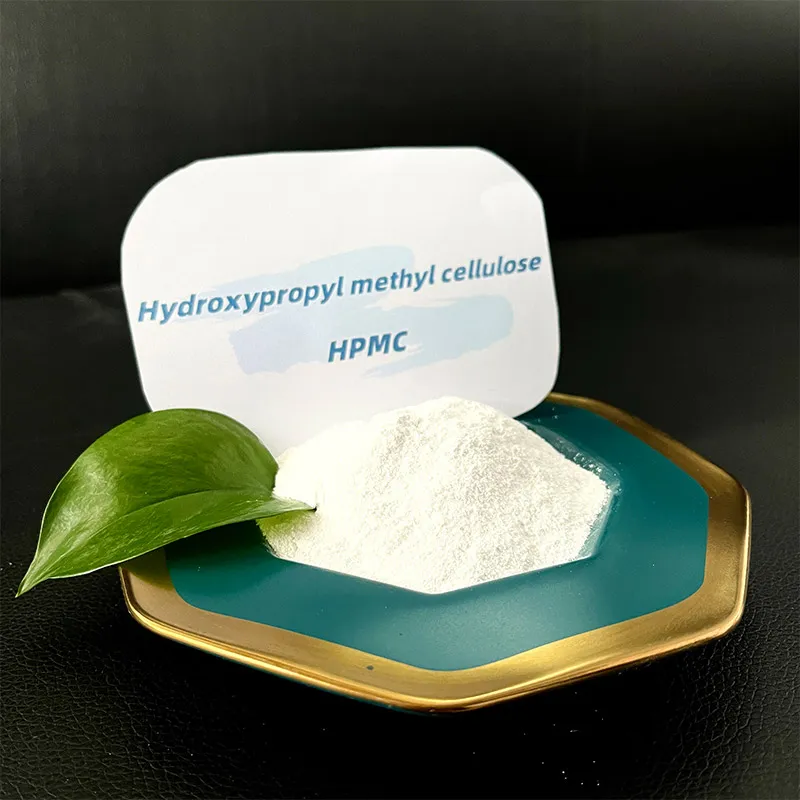
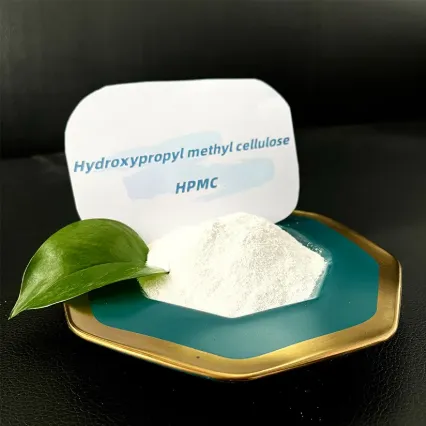
Hydroxypropyl methylcellulose, commonly abbreviated as HPMC, stands for a multifaceted polymer with numerous applications in various industries, thanks to its unique properties. This versatile compound is widely regarded for its exceptional binding, thickening, and stabilizing characteristics, playing a pivotal role in product development across sectors such as pharmaceuticals, food, and construction. HPMC's application in the pharmaceutical industry exemplifies its value and utility . As an inert, viscoelastic substance, it is primarily utilized in formulating controlled-release drugs. The polymer's ability to modify drug release rates enhances therapeutic efficacy and patient compliance. Its safety and effectiveness are evidenced by extensive research studies and FDA approvals that certify its use in pharmaceutical tablet coatings and encapsulations. Scientists and pharmaceutical experts acknowledge HPMC's critical role in the successful delivery of active ingredients, underscoring its expertise and authoritative position in drug formulation processes. In the food industry, HPMC finds significant application as a food additive, particularly in gluten-free products. It acts as a substitute for gluten by providing the necessary structure and elasticity, ensuring that gluten-free baked goods maintain a desirable texture. The polymer's role in improving water retention and extending shelf life further highlights its importance. Experts in food science frequently explore HPMC's role in dietary fiber enrichment, which bolsters its status as a credible and trusted component in food manufacturing. hpmc stands for The construction industry also benefits from HPMC's unique qualities, especially in the production of construction materials like cement and plaster. HPMC enhances the workability of mortar, offering improved water retention and increased adhesion. This, in turn, leads to reduced cracking and increased durability, essential features in modern construction projects. Construction engineers and material specialists recognize the authoritative impact of HPMC in enhancing structural integrity, underlining its necessity in high-quality construction practices. The impact of HPMC extends beyond its functional properties; its sustainability aspect also contributes to its growing popularity. Derived from cellulose, one of the most abundant natural polymers, HPMC is biodegradable and lessens the environmental footprint typically associated with synthetic additives. Environmental and chemical engineers emphasize the importance of sustainable practices in material development, and HPMC stands at the forefront, bridging the gap between efficacy and environmental responsibility. In conclusion, Hydroxypropyl methylcellulose is a compelling example of a multifunctional polymer that has seamlessly integrated into diverse applications across different industries. Its demonstration of efficacy, backed by scientific research and regulatory approval, establishes trust and authority in its usage. The capacity to drive innovations in pharmaceuticals, food, and construction illustrates its broad expertise. As trends increasingly point towards sustainable and efficient solutions, HPMC stands as a testament to the ingenuity of material science in adapting to modern demands, firmly establishing its place as an indispensable product ingredient.
advantages
-

200000 Viscosities
Excellent product
We can produce pure products up to 200,000 viscosities
-

40000 tons
High yield
We don’t stop production all year round, and the annual output can reach 40,000 tons
-

24 hours
Quality service
We provide 24-hours online reception service, welcome to consult at any time
———— Inquiry Form
Schedule A services
- nylon_is_a_synthetic_fibre
Oct . 25, 2025
Jute synthetic fiber represents a groundbreaking innovation in the textile industry, blending tradit -
 polypropylene_fiber_in_concrete
Oct . 25, 2025
Modified starch is a versatile ingredient used across a wide range of industries, from food producti -
 starch_ether_uses
Oct . 25, 2025
Understanding the nuances of HPMC enteric coating is crucial for anyone involved in pharmaceuticals,


